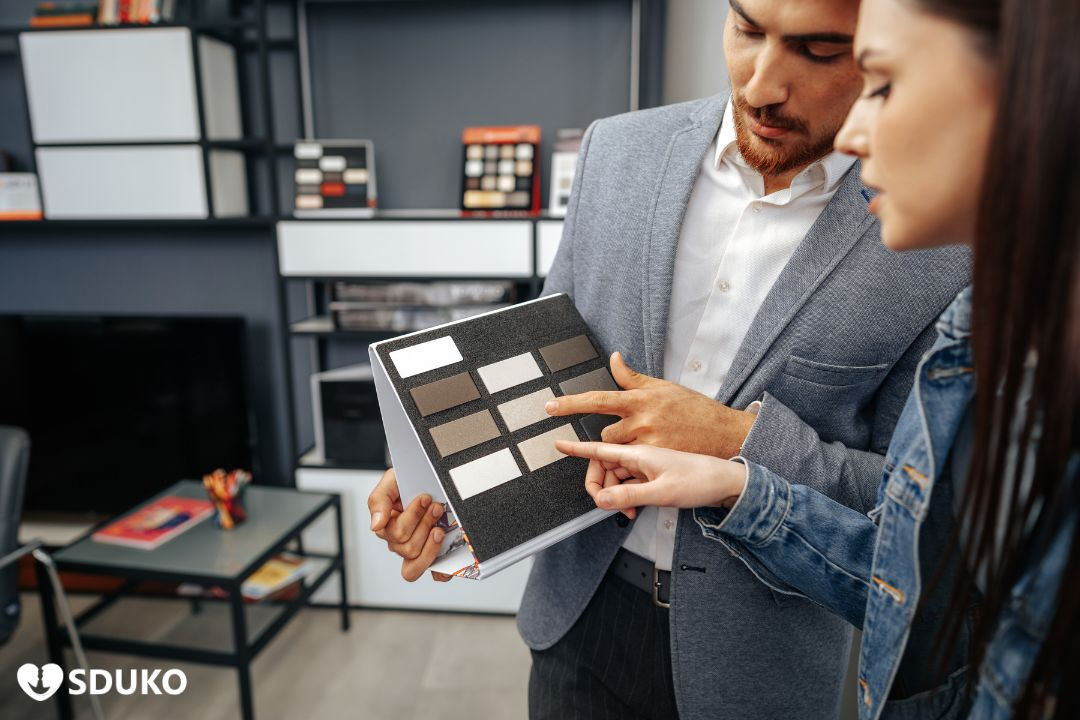
The selection of interior materials is seldom determined only by their appearance. A beautiful surface can turn into a maintenance headache when it does not suit the room, whereas a highly sophisticated material might give great results without any natural variation.
It’s not a matter of choosing one perfect solution but rather of recognizing what kind of trade-offs there are. Issues like durability, maintenance, moisture, temperature, aesthetics, and longevity might make one material preferable to another.
Before choosing the finish purely based on its appearance in the showroom setting, it would be useful to know how various materials perform in real-world conditions.
What Natural Materials Bring to a Space
The use of natural material, such as stone, timber, cork, and natural fibers, is able to provide qualities which cannot be duplicated in an exact way. Guwahati call girls looking to add warmth and personality to their interiors may find that natural materials create a distinctive look through their varied textures and subtle imperfections.
Stone can show distinct veinings, variations in minerals, and differences from one slab to another. Wood also has its distinctive patterns and patination with aging. These variations give materials a sense of character and make each installation slightly different.
But there could also be functional benefits as well. Some natural materials could be repaired, re-finished, or resurfaced without having to replace them.
The natural character of some materials can create performance inconsistency. Some materials might be porous, stain-prone, moisture-sensitive, or require sealing.
Where Engineered Materials Stand Out
Engineered materials are created or made in order to attain certain features.
Engineered stone, porcelain, composite, laminate, and engineered wood have more predictable features compared to their natural counterparts.
That kind of consistency is quite useful when a project needs various surfaces to match in appearance. Some engineered products are also made for particular purposes such as scratch resistance, moisture resistance, or dimensional stability.
However, not all manufactured products are indestructible. They are manufactured according to different performance specifications.
Performance specifications, therefore, take priority over the label.
Think About the Room Before the Material
Choosing the appropriate material depends greatly on its application.
A kitchen countertop is exposed to high temperatures, spillage, staining, knives, and frequent cleaning. For Hyderabad call girls choosing interior materials, matching the material to the demands of the space can make the finished design more practical. Bathrooms have moisture and humid conditions. The floor must endure foot traffic, impact, dirt, and repeated abrasion.
A material that makes an excellent decorative wall finish does not necessarily make a good floor covering.
This is because material selection should start with the demands of the application and not just its aesthetics.

Maintenance Is Part of the Design
The maintenance of an area is another factor that is often overlooked during renovation.
Some surfaces may require sealants, refinishing, or special cleaning while others may be fairly simple to maintain. Engineered materials can lessen some of the maintenance tasks, but they are not maintenance-free.
Think about the level of upkeep you are realistically willing to handle.
You may find that a less demanding material, which is not quite as maintenance-intensive, makes more sense.
Consistency vs. Character
One of the most obvious is visual consistency.
If you require that every surface should have consistent colors and patterns, the engineered surface will be better for you. Indore escorts designing their homes may prefer engineered materials when a coordinated and uniform appearance is important to the overall look. Otherwise, natural surfaces are better because of their inconsistency. Neither one of the two options is better.
Some interior spaces look best using natural materials, such as wood or stone. On the other hand, some other places may need engineered surfaces.
Match the Material to the Job
The best material choice starts with a simple question: What does this surface actually need to do?
Think about factors like durability, moisture, heat, cleaning, traffic, appearance, repairability, and expected service life. Then compare materials based on those requirements.
Natural materials can bring character and a sense of authenticity. Artificially produced materials can provide consistency and targeted performance characteristics.
The best strategy here would be to not base your decision solely on what the material is labeled. Instead, base your decision on what the space really demands and make the aesthetic considerations a part of the decision.